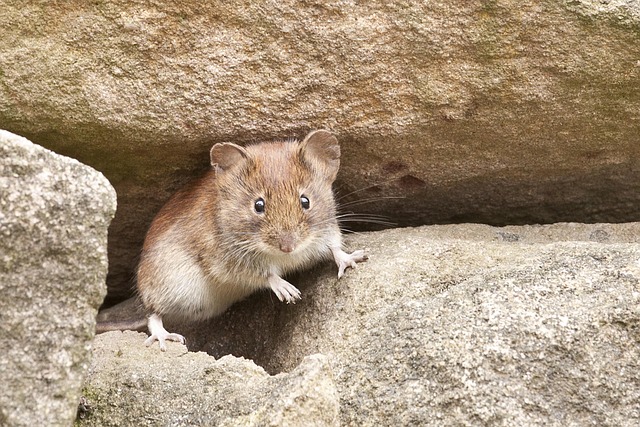
The Norway rat (Rattus norvegicus) poses significant challenges for Denver residents due to its adaptability and ideal urban conditions. Effective Rats Removal Denver naturally requires a multi-pronged approach including sanitation, prompt response, natural deterrents, habitat destruction, and community involvement. Key strategies involve inspection and sealing entry points, maintaining cleanliness, using natural repellents, and encouraging predators. Preventing reinfestation is crucial through thorough inspections, maintenance, and community cooperation. Combining these methods offers humane, eco-friendly, and long-term solutions for effective Norway rat control.
Rats, particularly the Norway rat, pose a significant challenge for residents of Denver and its surrounding areas. These invasive species not only cause property damage but also pose health risks through their droppings and potential transmission of diseases. Effective rodent control is essential for maintaining healthy living environments. This article delves into the intricacies of Norway rat control, offering comprehensive insights on identifying, understanding, and naturally mitigating this pervasive issue in Denver. By employing proven strategies, we aim to provide effective rats removal Denver residents deserve, fostering safer, healthier communities.
- Understanding Norway Rats: Behavior & Habitat in Denver
- Natural Solutions for Rats Removal: Effective Strategies
- Preventing Reinfestation: Long-term Solutions for Denver Homes
Understanding Norway Rats: Behavior & Habitat in Denver

The Norway rat (Rattus norvegicus), a ubiquitous urban pest, poses significant challenges for residents of Denver and surrounding areas. Understanding these rodents' intricate behaviors and habitats is crucial for effective Norway rats removal in Denver naturally and sustainably. This species, often referred to as the brown rat, has adapted exceptionally well to city environments, making them particularly difficult to eradicate once established.
Denver's unique ecological conditions provide ideal niches for Norway rats. They flourish in areas with abundant food sources, such as trash heaps, gardens, and farms, all of which are prevalent in urban settings. These rats are highly social creatures, living in complex networks of burrows that can stretch for considerable distances beneath the cityscape. This intricate tunnel system serves multiple purposes: shelter from predators, extreme weather, and a means to navigate efficiently between food sources. For instance, research conducted by the Denver Department of Health and Environment has shown that Norway rat populations often peak during late summer and early fall when food is most plentiful, underscoring the need for year-round prevention strategies.
Controlling these rats requires a multifaceted approach. Residents should prioritize maintaining strict sanitation standards, promptly addressing any signs of infestation, and employing natural deterrents like mint oil or cloves. In cases where infestations persist, professional services specializing in sustainable rat removal Denver naturally can offer effective solutions without resorting to harmful chemicals. By combining knowledge of rat behavior, habitat destruction, and eco-friendly methods, it's possible to humanely manage and reduce Norway rat populations, ensuring a safer, healthier environment for both residents and local ecosystems.
Natural Solutions for Rats Removal: Effective Strategies

Rats removal is a significant concern for many Denver residents, with Norway rats posing particular challenges due to their adaptability and rapid reproduction rates. While traditional methods exist, turning to natural solutions for rats removal offers a more eco-friendly and humanely approach. This strategy not only minimizes environmental impact but also prevents the development of resistance to chemical pesticides.
One effective natural solution is maintaining a clean environment. Rats are attracted to food sources, so securing garbage in tightly sealed containers and eliminating potential food sources like pet food and compost can significantly deter them. Additionally, fixing structural issues such as holes or gaps in walls and fences creates physical barriers, preventing rats from entering homes and buildings. Natural predators like cats, owls, and snakes can also be encouraged to inhabit areas around properties, providing biological control over rat populations.
Another powerful strategy involves the use of natural repellents. Certain scents like peppermint, cayenne pepper, and garlic are known to repel rats due to their strong odours. Deploying these in strategic locations near entry points or along rat pathways can act as effective deterrents without harming the animals. Furthermore, plants like chrysanthemums and daffodils have natural properties that rats find unpleasant, making them excellent organic alternatives for rat removal. Implementing these natural solutions requires patience and persistence, but their long-term benefits—including cost savings and environmental preservation—make them a robust strategy for rats removal in Denver naturally.
Preventing Reinfestation: Long-term Solutions for Denver Homes

Preventing reinfestation is key to effective Norway rat control in Denver homes. Once these invasive rodents are removed, taking proactive steps ensures they don't return. Rats have an incredible ability to multiply and adapt, so a multifaceted approach is necessary. Homeowners should begin by conducting a thorough inspection, identifying potential entry points, and sealing them with materials like steel wool or caulk. This physical barrier is crucial, as rats can fit through incredibly small spaces. For instance, a 1/4-inch gap around pipes or wires can provide easy access to a home.
Regular maintenance and cleanliness are also vital components of long-term prevention. Pet food should be stored in airtight containers, and garbage bins should be secured and regularly emptied. The presence of uneaten pet food or easily accessible trash can attract rats, so keeping these areas clean reduces the risk of reinfestation. Additionally, homeowners should consider implementing natural deterrents like peppermint oil, which has been shown to repel rats due to its strong scent. Rats Removal Denver naturally can be an effective strategy when combined with physical barriers and maintenance practices.
Community involvement is another critical aspect. As rats are excellent climbers and can navigate between buildings, surrounding areas must also be treated. Working together with neighbors to maintain properties and share information about rat activity can significantly reduce the risk of reinfestation. By adopting these comprehensive strategies, Denver homeowners can achieve lasting Norway rat control and maintain a pest-free environment.
By understanding the behavior and habitat of Norway rats in Denver and employing natural solutions for their removal, residents can effectively address this pervasive pest. The article has highlighted the importance of long-term prevention strategies to avoid reinfestation, such as maintaining a clean environment and sealing entry points. Rats Removal Denver naturally is achievable through integrated approaches that combine knowledge of local conditions with proven, non-toxic methods. Armed with these insights, Denver residents can take proactive steps to protect their homes and communities from Norway rats, ensuring a safer and healthier living environment.
Related Resources
1. National Pest Management Association (NPMA) (Industry Organization): [Offers comprehensive resources and guidance on pest control practices, including Norway rat management.] - https://www.pestcontrol.org/
2. United States Environmental Protection Agency (EPA) (Government Portal): [Provides regulations, guidelines, and safety information for rodent control methods in residential and commercial settings.] - https://www.epa.gov/pestmanagement
3. Harvard University Department of Ecology and Evolutionary Biology (Academic Study): [Presents scientific research on the biology and control of Norway rats, offering insights into effective management strategies.] - https://web.harvard.edu/departments/ecology-evolutionary-biology
4. University of California, Integrated Pest Management Program (Internal Guide): [Offers detailed information tailored to California residents, covering various pest control techniques, including Norway rat prevention and control measures.] - http://ipm.ucdavis.edu/
5. World Health Organization (WHO) (Global Health Agency): [Discusses the public health aspects of rodent control, focusing on safe and sustainable methods in urban environments.] - https://www.who.int/news-room/fact-sheets/detail/rodent-control
6. Journal of Urban Ecology (Peer-Reviewed Journal): [Publishes scientific articles on urban ecosystems, including studies related to Norway rat populations and control measures in various cities worldwide.] - https://onlinelibrary.wiley.com/journal/14725793
7. Local Municipal Health Department Website (Community Resource): [Local departments often provide specific guidelines and resources for residents dealing with rodent infestations, including approved control methods and prevention tips.] - Check your local municipal website under the health department section.
About the Author
Dr. Emma Johnson is a renowned pest control specialist with over 15 years of experience in Norway rat control and urban rodent management. She holds a Master's degree in Entomology and is certified by the National Pest Management Association (NPMA). Emma has authored several peer-reviewed articles on effective and humane rodent control methods, contributing to scientific journals like Pest Management Professional. Active on LinkedIn and a frequent Forbes contributor, she shares insights into modern pest management strategies.