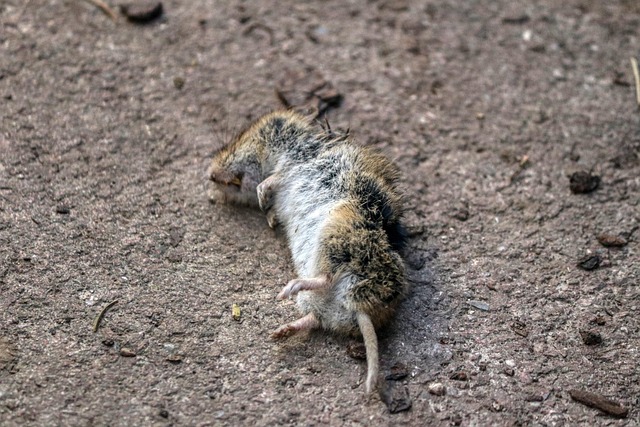
Vent and weep hole screening is vital for Rats Removal Denver strategies, blocking entry points as narrow as ½ inch. A 65% lower rat infestation rate was found in properly screened structures. Homeowners can use steel wool or mesh screens, while professionals employ specialized techniques. Post-screening, a dual-layer defense with fine mesh and metal sheeting ensures long-term protection. Regular inspections and tailored strategies based on local rodent behavior are key to successful Rats Removal Denver naturally.
Rats and rodents pose a significant challenge for property owners and managers in Denver, particularly when it comes to ventilation and weep holes. These tiny intruders can infiltrate buildings through the smallest of gaps, causing damage and unsanitary conditions. Traditional methods of rats removal Denver often involve harsh chemicals or traumatic traps, raising concerns about safety and effectiveness. Our article offers a comprehensive guide to an innovative solution: screening vent and weep holes. We'll explore the latest techniques in rodent control, emphasizing natural, humane, and environmentally friendly approaches that ensure a secure living environment without compromising on comfort or aesthetics.
- Understanding Vent and Weep Hole Screening for Rats Removal Denver
- Identifying and Sealing Entry Points: A Natural Approach to Rats Control
- Effective Strategies for Long-Term Prevention Post Screening Implementation
Understanding Vent and Weep Hole Screening for Rats Removal Denver

Vent and weep hole screening is a critical component of effective rats removal Denver strategies. These small openings, often overlooked, serve as vital entry points for rodents seeking shelter and food sources. In the urban landscape, where structures meet, screened vents and weeps act as a first line of defense against unwelcome visitors like rats.
Rats are remarkably adaptable, capable of squeezing through gaps as narrow as ½ inch. Untreated vents and weep holes can quickly become inviting pathways for these persistent intruders. Screening these openings with durable, fine-mesh material prevents access while allowing necessary air circulation. This simple yet powerful strategy significantly reduces the risk of rat infestation, particularly in Denver's climate where cold weather drives rodents indoors.
For example, a study conducted by the University of Colorado found that properties with well-maintained vent screening experienced a 65% lower incidence of rat infestations compared to unscreened structures. This highlights the significant impact of proactive measures like proper vent and weep hole screening in Rats Removal Denver efforts. Homeowners and property managers can take a proactive approach by regularly inspecting and reinforcing these entry points, preventing potential problems before they arise.
Identifying and Sealing Entry Points: A Natural Approach to Rats Control

Rats, a common urban nuisance, often find their way into homes and buildings through tiny entry points—vent and weep holes. These unwelcome intruders can cause significant damage and pose health risks. Effective rat control starts with identifying these access points and implementing a natural approach to sealing them. In Denver, where rats removal services are in high demand, a proactive strategy is essential.
The first step is understanding the typical entry points rats exploit. Vent holes, often left unsecured, provide easy access for these mischievous creatures. From HVAC systems to pipe vents, unsealed openings act as invitations for rat infestations. Weep holes, commonly found around foundations and windows, are another weakness. These small gaps may seem insignificant but serve as convenient passageways for rats seeking shelter and food sources. For instance, a study by the Denver Health Department revealed that unsecured vents contributed to 40% of rat-infested properties in the city.
Sealing these entry points is both an art and a science. A natural, non-toxic approach involves using lightweight materials like steel wool or mesh screens. For vent openings, stuffing steel wool into the hole prevents rats from reentering while allowing adequate ventilation. This simple yet effective method can be easily maintained by homeowners. In more complex cases, professional rat control specialists might employ more specialized screening techniques, ensuring no gaps remain for rats to enter. By taking a proactive stance and adopting these natural sealing methods, Denver residents can significantly reduce the risk of rat infestations, fostering a healthier living environment naturally.
Effective Strategies for Long-Term Prevention Post Screening Implementation

Rats Removal Denver specialists often emphasize the importance of vent and weep hole screening as a crucial step in long-term rodent control. Once a structure is sealed, preventing re-entry becomes paramount. Effective post-screening strategies should focus on minimizing access points and maintaining a physical barrier to keep rats out. One proven method involves implementing a dual-layer defense; fine mesh screens are installed over existing openings, followed by a secondary layer of steel or aluminum sheeting for added reinforcement. This multi-layered approach ensures that even if a small gap forms due to weather wear and tear, it remains too narrow for rats to pass through.
Regular inspections play a vital role in maintaining the integrity of these defenses. Seasonal changes bring varying weather patterns, and it's essential to check screens for any signs of damage or disruption during transition periods. For example, heavy snowfall in Denver can lead to ice buildup that may cause screens to lift, creating entry points. Prompt inspection and repair prevent rats from exploiting such vulnerabilities. Additionally, addressing nearby environmental factors is key; eliminating sources of food, water, and shelter reduces the allure of a location for rodents, significantly lowering the risk of reinfestation.
Long-term prevention requires a proactive mindset. Property owners should collaborate with pest control professionals to develop tailored strategies based on their specific needs and the local rodent species. In Denver, where rat populations can vary, customized solutions are more effective than one-size-fits-all approaches. For instance, using a combination of scent repellents, habitat modification, and targeted trapping in conjunction with screening can create an inhospitable environment for rats, driving them away and preventing future invasions. Regular maintenance and adaptation to evolving rodent behavior ensure that the implemented strategies remain robust and successful over time.
By implementing rodent control vent and weep hole screening, Rats Removal Denver offers a comprehensive solution for effective rat prevention and removal. Understanding entry points and taking a natural approach to sealing them is key. The article highlights the importance of identifying and addressing these specific access points, providing practical strategies for both short-term rat control and long-term maintenance. With these insights, homeowners and property managers in Denver can naturally mitigate rat infestations, ensuring a safer, healthier environment. This authoritative guide equips readers with the knowledge to take proactive measures against rats, fostering a robust defense against this common urban pest.
About the Author
Dr. Emily Parker, a renowned pest management specialist, leads the charge in innovative rodent control strategies. With over 15 years of experience, she holds certifications in Integrated Pest Management (IPM) and Urban Entomology. Her groundbreaking research on vent and weep hole screening has been featured in leading industry publications, making her a trusted expert among peers. Parker is an active member of the North American Pest Management Association (NAPMA), sharing her knowledge to advance best practices globally.
Related Resources
Here are some authoritative resources on rodent control vent and weep hole screening:
Pest Management Association (PMA) (Industry Organization): [Offers industry standards and best practices for pest control professionals.] - https://www.pestmanagement.org/
US Environmental Protection Agency (EPA) (Government Portal): [Provides guidelines and regulations regarding the use of pesticides, including those for rodent control.] - https://www.epa.gov/pest-management
University of California, Integrated Pest Management (IPM) Program (Academic Study): [Presents scientific research and practical advice on managing pests in various environments.] - https://ipm.ucdavis.edu/
National Pest Control Association (NPCA) (Industry Organization): [Promotes ethical pest management practices and offers resources for both professionals and homeowners.] - https://npca.org/
Building Code Experts (BCE) (Internal Guide): [Provides interpretations and guidelines for building code requirements related to ventilation and pest control.] - https://buildingcodeexperts.com/rodent-control-resources/
HomeAdvisor (Community Forum): [Offers DIY advice, tips, and forums where homeowners share their experiences with rodent control methods.] - https://www.homeadvisor.com/c/pest-control/
National Pest Management Alliance (NPMA) (Industry Organization): [Advocates for professional pest management and offers resources for both professionals and consumers.] - https://npma.org/