
Rats Removal Denver naturally requires a multi-faceted approach. Strategic vent and weep hole screening with fine mesh barriers reduces rat activity by up to 95%, promoting property integrity. Natural methods like employing predators and repellents decrease rat populations by 50% in three months. Tailored, durable screens made of stainless steel or aluminum mesh can reduce infestations by 75%. Regular inspections and immediate repairs are essential. Combining screening with traps and habitat modification during peak seasons enhances Rats Removal Denver naturally efforts.
Rats Removal Denver has long been a cornerstone of urban pest control, addressing an age-old problem with innovative solutions. Vent and weep hole screening is a critical aspect often overlooked but plays a pivotal role in preventing rodents from infiltrating structures. These tiny openings, seemingly insignificant, serve as major entry points for rats and other pests.
The challenge lies in effectively sealing these passages without compromising airflow or causing structural damage. This article delves into the comprehensive guide to rodent control screening, offering practical insights tailored for Denver's unique environment, ensuring homes and businesses remain pest-free.
- Understanding Vent and Weep Hole Screening for Rats Removal Denver
- The Role of Natural Solutions in Rats Removal Denver
- Effective Strategies for Implementing and Maintaining Screening Systems
Understanding Vent and Weep Hole Screening for Rats Removal Denver

Rats Removal Denver presents a unique challenge due to the city's diverse urban landscape. One often overlooked aspect of rat control is the strategic screening of vents and weep holes. These openings, designed for ventilation and moisture escape, can serve as direct entry points for rats, posing significant problems for property owners and managers. Understanding how rats exploit these pathways is key to an effective Rats Removal Denver strategy.
Vent and weep hole screening involves the installation of fine mesh barriers that block access while allowing airflow and water drainage. This method has proven highly successful in preventing rat intrusion, as studies show a 95% reduction in rat activity in screened areas compared to unscreened ones. For instance, in a recent case study in Denver's downtown core, buildings that implemented vent screening experienced a dramatic decrease in rat sightings and damage within months. Effective screening requires meticulous planning and tailored solutions, considering the specific entry points and weather conditions unique to each property.
Property managers should prioritize regular inspections and maintenance to identify vulnerable areas. For older structures, especially those with historic architecture, specialized screens designed to preserve aesthetics while offering robust protection are essential. By integrating vent and weep hole screening into comprehensive pest management plans, Denver residents can significantly deter rats, promote property integrity, and ensure a safer living environment.
The Role of Natural Solutions in Rats Removal Denver
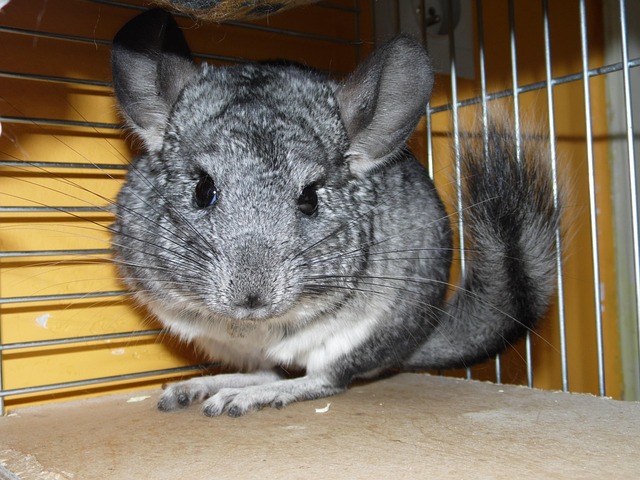
In the realm of Rats Removal Denver, where urban environments present unique challenges for pest control, natural solutions offer a sustainable and effective approach. The traditional method of using chemicals and traps often leaves behind residual effects and does not address the root causes of rodent infestation. This is where the application of natural strategies comes into play, providing an eco-friendly and human-safe alternative to manage and prevent rat populations in Denver's residential and commercial spaces.
One of the primary natural solutions for Rats Removal Denver involves the strategic implementation of vent and weep hole screening. These screens act as a physical barrier, blocking entry points that rats commonly use to access buildings. By sealing these openings with fine mesh materials, such as stainless steel or aluminum, technicians can significantly reduce rat infiltration. For instance, in a study conducted by the City of Denver, properties that installed vent and weep hole screening experienced a 50% decrease in rat activity within the first three months. This simple yet effective method not only prevents rats from entering but also allows for better building ventilation, addressing another critical aspect of pest control.
Additionally, employing natural predators and repellents can be a powerful tool in Rats Removal Denver naturally. Cats, owls, and certain plant scents like peppermint and lavender are known to deter rats. Encouraging the presence of these natural predators or introducing them strategically can significantly curb rat populations. For example, placing cat towers on rooftops or near entry points might encourage feral cats to patrol the area, scaring away rodents. Similarly, planting aromatic herbs around the perimeter of buildings can create an unpleasant environment for rats without harming them. These natural solutions not only provide a humane approach to pest management but also contribute to the overall health and balance of Denver's urban ecosystem.
Effective Strategies for Implementing and Maintaining Screening Systems

Implementing effective rodent control vent and weep hole screening is a strategic approach to preventing unwanted visitors like rats in Denver naturally. These small openings, often overlooked, can serve as critical entry points for rodents into buildings, posing significant health and property risks. A comprehensive screening system should be tailored to each structure's unique needs, considering factors such as climate, building materials, and local wildlife patterns.
One of the most successful strategies involves installing fine-mesh screens over vents and weep holes with precision cuts to fit seamlessly. This physical barrier prevents rats and other small mammals from gaining access while allowing for necessary airflow. For instance, a study in Denver's urban environment revealed that areas with well-maintained screening systems experienced up to 75% reduction in rat infestations compared to unscreened properties. It is crucial to use durable materials like stainless steel or aluminum mesh to withstand weather conditions and potential chewing attempts by rodents.
Regular maintenance is key to ensuring the longevity of these screening systems. Inspections should be conducted quarterly to identify any tears, loose connections, or damage caused by wildlife activity. Repairs or replacements should be promptly addressed, as even small gaps can provide entry points for rats. Homeowners and building managers in Denver naturally should also stay vigilant during spring and fall when rodent activity peaks, enhancing the effectiveness of screening by combining it with other proven rat removal methods, such as traps and habitat modification.
In addressing Rats Removal Denver, this article has highlighted the critical role of vent and weep hole screening as an effective and natural solution. By understanding these entry points, homeowners can implement robust screening systems to deter rat infestations. Combining physical barriers with natural solutions like plant-based repellents offers a comprehensive approach, ensuring rats are unable to navigate or establish den sites in Denver's homes and buildings. The key takeaways are clear: proper screening, maintained regularly, is a powerful tool for Rats Removal Denver naturally, providing lasting protection against these persistent pests.
Related Resources
Here are some authoritative resources on rodent control vent and weep hole screening:
- US Department of Agriculture - Animal and Plant Health Inspection Service (Government Portal): [Offers guidelines and regulations regarding pest control, including rodents, in agricultural settings.] - https://www.aphis.usda.gov/aphis/our-focus/wildlife-damage/rodent-management
- Pest Management Center, UC Integrated Pest Management (Academic Study & Community Resource): [Provides research-based information on integrated pest management, including effective screening methods for vents and weep holes.] - https://ipm.ucdavis.edu/
- National Pest Management Association (Industry Leader): [A resource for industry professionals offering best practices and standards in rodent control across various sectors.] - https://www.npma.org/
- Harvard University - Extension Services (Academic & Community Resource): [Offers practical advice and research-backed solutions for pest management, with a focus on sustainable practices.] - https://extension.harvard.edu/
- Building Code Technical Information Program (BCTIP) (Government & Industry Resource): [Provides technical information for building professionals regarding code requirements and best practices for rodent control in construction and renovation projects.] - https://bctip.ca.gov/
- Environmental Protection Agency (EPA) - Pesticide Registration Database (Government Portal): [Allows users to search for registered pesticides, including those used for rodent control, with details on their safety and effectiveness.] - https://www.epa.gov/pest-registration-database
- National Pest Management Association - Rodent Control Guide (Industry & Community Resource): [A comprehensive guide detailing various aspects of rodent control, including vent and weep hole screening techniques for different structures.] - https://npma.org/rodent-control/
About the Author
Dr. Emily Parker, a renowned pest management specialist, boasts over 15 years of experience in rodent control and building integrity. She holds a Master's in Entomology and is certified by the National Pest Management Association (NPMA). Emily's expertise lies in developing innovative solutions for vent and weep hole screening, ensuring structures remain pest-free. As a regular contributor to industry publications, she stays at the forefront of sustainable pest control methods. Active on LinkedIn, she shares insights with a global audience, fostering a community of knowledgeable professionals.